

 news admin
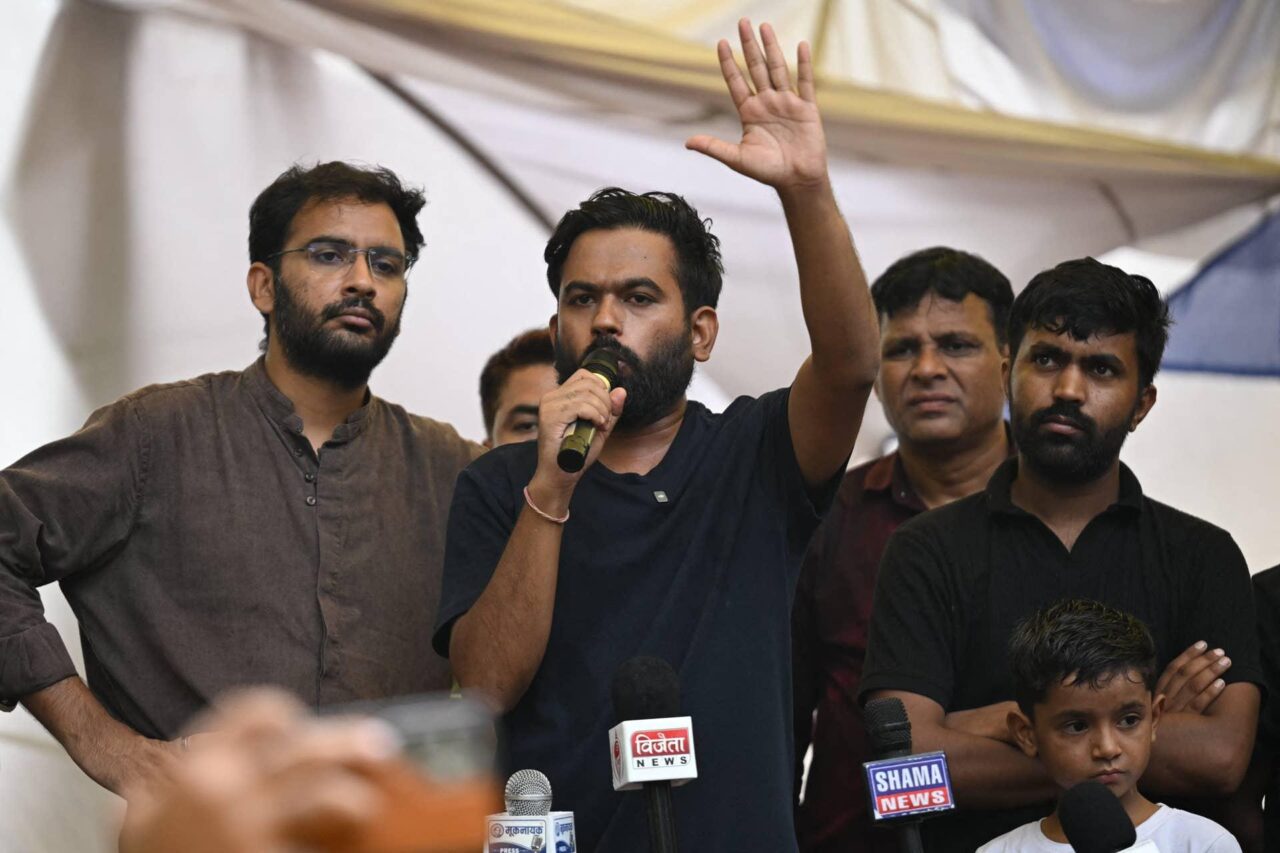
New Delhi, September 11, 2026: What began as a social-media movement built around the unlikely symbol of a cockroach grew into a nationwide student-led protest—and eventually helped put pressure on India’s government to accept the resignation of Union Education Minister Dharmendra Pradhan.
At the centre of the movement was Abhijeet Dipke, a young political communications student and founder of the Cockroach Janta Party (CJP). His campaign focused on accountability over examination-related controversies, including alleged paper leaks and irregularities affecting students and job aspirants.
From an online joke to a national movement
The Cockroach Janta Party initially emerged online as a satirical movement. It gained momentum after controversial remarks concerning young protesters and unemployed youth helped turn the cockroach into a symbol of resistance.
Dipke, who was studying in the United States, returned to India as the campaign grew. He became the public face of the movement, calling for Education Minister Dharmendra Pradhan to resign and demanding greater accountability in the country’s examination system.
The protests attracted students, young professionals and supporters from across India. Demonstrators at Delhi’s Jantar Mantar wore cockroach masks and carried placards demanding action over alleged failures surrounding major examinations.
Why were students protesting?
The movement was driven largely by anger over examination controversies, including allegations involving the NEET-UG examination and other competitive tests.
For many students, repeated controversies surrounding examinations represented more than individual administrative failures. They became a symbol of concerns about transparency, accountability and the future of millions of young Indians.
Dipke repeatedly argued that the education minister should accept political responsibility. In June, he told supporters that the protest would continue until Pradhan resigned.
The protest grows
The demonstrations continued for weeks, with CJP organising further protests in Delhi and receiving support from activists and sections of the opposition.
Climate activist Sonam Wangchuk also joined the campaign and later undertook a 26-day hunger strike in support of the students. The prolonged agitation increased pressure on the government and kept the examination controversy in the national spotlight.
By July, Dipke was warning that the movement could expand further if the government’s response remained unsatisfactory. He continued to insist that Pradhan’s resignation was the central demand.
Dharmendra Pradhan resigns
On July 25, 2026, Dharmendra Pradhan resigned as Education Minister after weeks of student-led protests. The resignation came after negotiations between the government and representatives of the Cockroach Janta Party.
The development was celebrated by protesters at Jantar Mantar, where the movement had built much of its public presence.
The Supreme Court later became involved in issues arising from the protests, including allegations of excessive police force and cases filed against demonstrators. In September, the court quashed FIRs connected with protesters involved in the July 20–25 agitation and directed the Centre to formulate a nationwide compensation policy for NEET aspirants who died by suicide following the examination controversy.
Who is Abhijeet Dipke?
Dipke’s rise is notable because the movement did not begin as a conventional political organisation. It developed largely through social media before moving onto the streets.
He positioned the CJP as a youth-led pressure movement rather than a traditional political party. His strategy combined provocative symbolism, social-media mobilisation and street protests.
The cockroach masks became the movement’s most recognisable image, allowing the campaign to stand out in India’s crowded political landscape.
What happens next?
The resignation of Pradhan marked a major victory for the movement, but the CJP has continued to push for broader reforms and accountability.
The episode has also raised a larger question: Can a social-media-driven student movement translate public anger into lasting institutional change?
For Dipke and the protesters who gathered behind him, the resignation of a Union minister demonstrated the potential power of organised youth activism. The next challenge will be ensuring that the concerns that sparked the movement—exam integrity, accountability and student welfare—lead to concrete reforms.

